When I started taking Japanese, I knew that hiragana, katakana, and kanji were used, but I only vaguely knew the functions of each. Katakana, I was told, was for words that originally came from English but were then translated for Japanese use. It was not until I did further research that I found out all the different functions of katakana, the most popular being: loan words, onomatopoeia, and emphasis. I have included some examples of these, but I have also developed a few categories of my own.
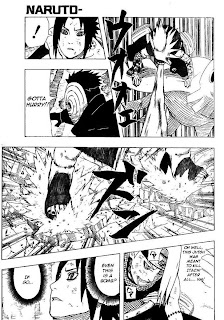
1) Naruto: In this page from Naruto, one of the more common forms of katakana makes its appearance. "ウオオエ" or "uooe" is used as onomatopoeia for what appears to be a whooshing noise or strong wind. The second katakana word, "ズン" or "zun" is commonly used in manga for when something is really heavy, or in this case, when someone's foot stomped really hard and broke concrete.
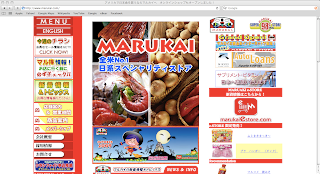
2) Marukai: This is the home page of the Japanese market Marukai. On the right hand side, one of the links is for "サプリメントビタミン” or "supplemental vitamins." Katakana in this case is used as a loan word. It is probable that the compound noun "supplemental" does not exist in traditional Japanese. This is probably why katakana is used instead of kanji or hiragana.
3) RIP Slyme-Dandelion: This Japanese music video contains of katakana used for emphasis, and used for one of my categories--fashion. Often times, English is used in Japanese media because it is considered cool or trendy. Although this is a song, if the lyrics were written out, several of the words would be in katakana rather than hiragana or kanji. During the chorus, the group sings "だれもがみんあフラワ." It is obvious that the Japanese word for flower is はんあ, but フラワ is used, not only for emphasis, but also because using katakana is just fashionable. Additionally, because this is a rap song, using English words gives the musicians more words to choose from when writing their songs.
Katakana is explained different ways by different textbooks because there are so many different reasons why katakana is used. Some books are more specific than others, but almost all explanation of why katakana is employed include that it is used for foreign names, loan words, and onomatopoeia. The other cases, such as emphasis or for fashion, are so subjective that it would be difficult to definitively categorize some words. Some people may think that Japan should do away with so many different types of script, but by analyzing the purpose of each different one, anyone can see why each element of the Japanese language is indispensable. Katakana is here to stay.